
Simple practice-monitor decision · August 2026
Shot Scope LM1 vs PRGR
The LM1 is our stronger entry-level practice recommendation. PRGR remains appealing when the requirement is deliberately limited to simple speed and distance feedback.
PRGR vs Shot Scope LM1: which should you buy?
Choose the PRGR if your main goal is uncomplicated club-speed training and you value a compact, proven practice monitor. Choose the Shot Scope LM1 if you prefer a golf-focused display and want ball-speed and distance feedback presented as a simple practice companion.
Neither should be confused with a full simulator launch monitor: this comparison is about affordable speed and distance feedback, not detailed spin, launch-angle or virtual-golf data.
Quick verdict
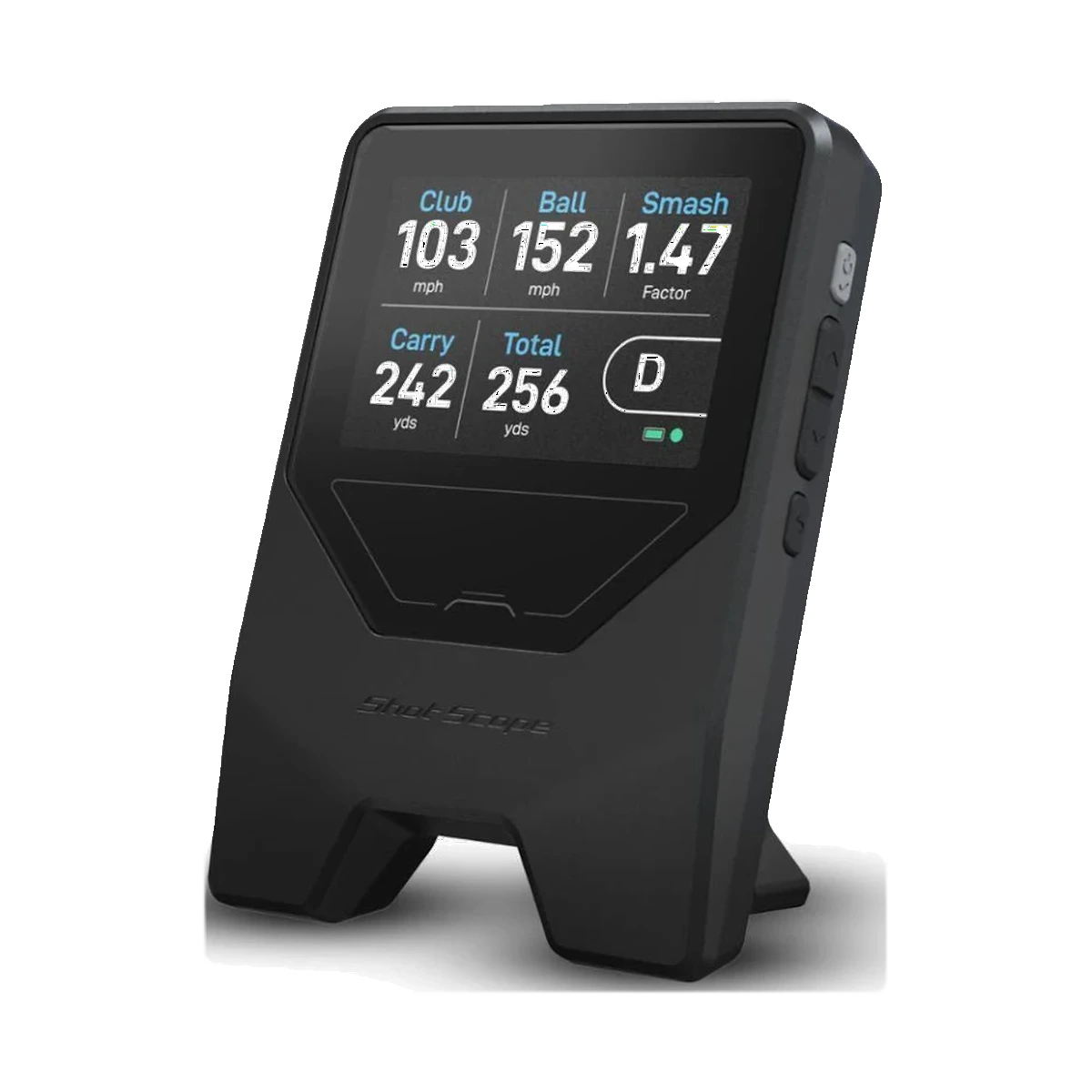
Shot Scope LM1GGL Score 85/100 · Guide price £199–£300
Choose it if you want a current, affordable launch monitor with a clearer path into structured practice and instant on-device feedback.
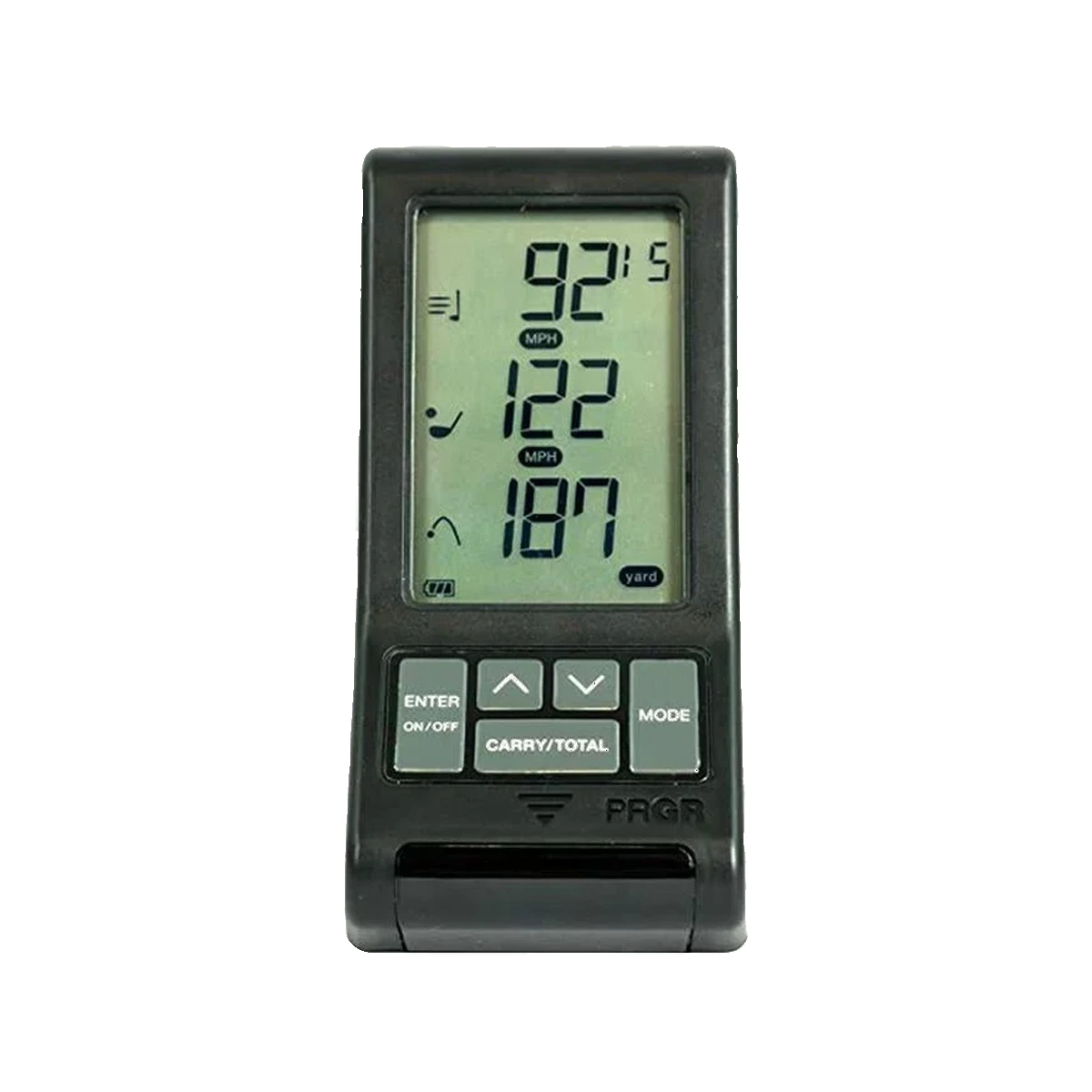
PRGR PortableGGL Score 84/100 · Guide price £179–£249
Choose it if you value extreme simplicity and primarily want speed and distance numbers without simulator ambitions or a feature-heavy workflow.
Full comparison below. We may earn a commission if you buy through “Check prices”, at no extra cost to you. How our links work.
| Decision point | Shot Scope LM1 | PRGR |
|---|---|---|
| Best use | Affordable structured practice. | Simple speed and distance feedback. |
| GGL position | Best Entry-Level Practice Monitor. | Best Simple Speed Monitor. |
| Room to grow | Better choice for golfers likely to demand more feedback over time. | Better only when simplicity is the objective. |
| Main risk | Still limited compared with video and simulator systems. | Can be outgrown quickly by data-hungry golfers. |
Golf Gear Lab verdict
Buy the LM1 unless simplicity itself is the reason for buying PRGR. The one-point score difference (85 vs 84) is less important than the workflow: LM1 is the better development tool, while PRGR is the purer glance-at-the-number device.
Where to buy
Check today’s prices
Shot Scope LM1 and PRGR RED EYES POCKET HS-130 are both available from UK retailers we have checked. Prices, stock and promotions can change.
PRGR RED EYES POCKET HS-130
Checklist before you choose
The comparison above covers the main differences. Use these checks on your own room, round and budget before ordering.
- Which is better for your practice space?
- What data and feedback does each provide?
- What software or subscriptions are needed?
- What accessories or extra hardware will you need?
- Which works better indoors, outdoors or in a garage?
- What is the realistic first-year and longer-term ownership cost?
- What compromise would make you choose the other model?
What to compare before you choose
| Decision factor | What Golf Gear Lab checks |
|---|---|
| UK price today | Each product card above shows our guide price and the UK retailers we link to. Check the final price with the retailer. |
| Room fit | Check device placement, ball flight and total room depth before buying. |
| Data & feedback | Compare the measurements and practice feedback you will actually use. |
| Software & subscriptions | Include required apps, memberships and simulator software in the decision. |
| Extra equipment | Allow for a phone/tablet, PC, projector, mat, net or screen where applicable. |
| Ownership cost | Compare purchase price plus required extras and recurring costs, not headline price alone. |
| Where it works best | Decide whether your priority is garage, garden room, range, outdoor practice or a full simulator. |
Where live UK retailer data is available, use it for the current-price decision. Recurring or ownership costs are shown only where they materially affect the choice and can be supported reliably.
Editorial standards · reviewed September 2026
Compare the alternatives
Still deciding? These closely related Golf Gear Lab comparisons can help narrow the shortlist.
How we made this comparison
We compare the products against the buying decision on this page, including their intended use, practical setup, ownership costs, current market position and the specifications that can materially change the choice. We cross-check manufacturer claims against independent published testing and practical owner experience where useful, and distinguish published specifications from independently observed findings.